A first trip to Madrid works best when it balances structure with breathing room. The city isn’t overwhelming at first glance, but it expands the longer you stay. Plaza-heavy neighborhoods, long lunch hours, and late sunsets all shift your sense of timing. 5 days give enough space to settle into that rhythm without rushing from landmark to landmark. It's not a checklist city. The art collections, historic corners, and street scenes stay in memory longer than any single monument. This itinerary focuses on what actually works for a first-timer—not just what looks good on paper.
5 Days in Madrid Without Rushing the Experience
Day 1: Landing, Orientation, and the Core
Landing at Madrid-Barajas usually means arriving mid-morning if you're flying from North America. Getting into the city is easy—taxi rates to the center are fixed, and the ride takes 20 to 30 minutes depending on traffic.
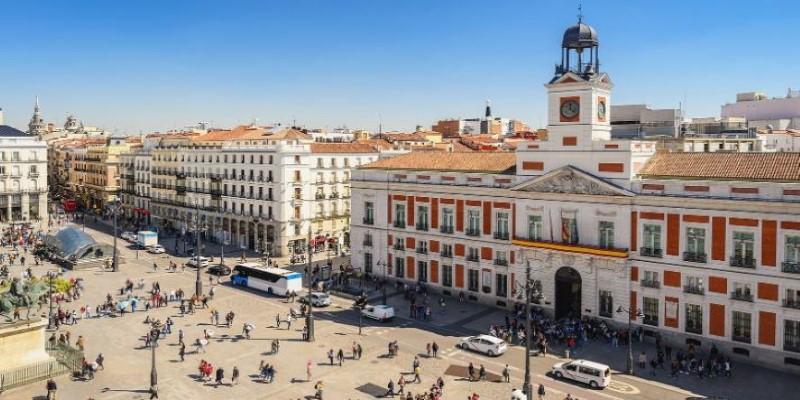
Settle in near Gran Vía, Sol, or Barrio de las Letras. Staying central avoids the learning curve of navigating public transit right away. Drop your bags, then go for a slow walk. Don't aim for big attractions just yet. Instead, get familiar with orientation points: Puerta del Sol, Plaza Mayor, Calle Mayor, and the Mercado de San Miguel. These areas can feel over-visited, but on the first day, they give useful bearings.
Grab a light lunch by 2:30, then hold off on dinner until after 8. Madrid’s dining hours take some adjustment. Jetlag works better with movement, so walk down to the Royal Palace area just before sunset. You won’t go inside today, but the gardens and views over Casa de Campo help anchor your sense of place.
Day 2: Art, Retiro, and the Museum Triangle
The second day covers Madrid’s art corridor. This isn’t just about seeing famous paintings—it’s a practical way to structure time and movement. Buy timed-entry tickets in advance for the Prado to avoid the hour-long entry lines that start by mid-morning. Aim for an 11:00 entry.
Spend two hours max at the Prado. That’s usually the saturation point for most first-timers. Follow it with a short walk to Retiro Park. This isn’t just a break—it gives your brain time to reset before more visual information. Grab a seat near the lake or take the shaded paths toward the Palacio de Cristal.
Late afternoon is a good window for the Reina Sofía. This modern art museum stays open later, and most people time it wrong by trying to do it right after the Prado. Guernica is the main draw, but there’s more depth if you enter rested. Avoid Mondays when it’s closed, and check for temporary exhibitions—they’re often stronger than expected. Dinner near Atocha or Lavapiés gives proximity without needing another long walk.
Day 3: Royal Madrid and Local Rhythms
Mid-week works best for visiting the Royal Palace. Crowds surge on weekends and public holidays. Book the first morning slot and skip the audio guide unless fully committed, as it slows the visit. The interior is ornate without feeling heavy. Most travelers spend under two hours, even with the armory and gardens.
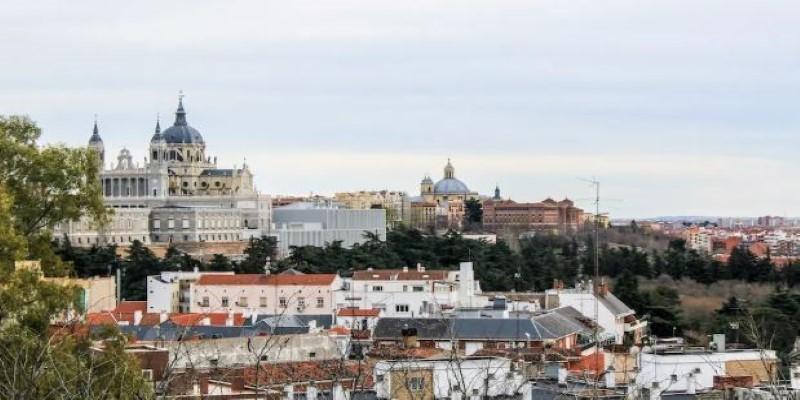
From there, pass through the Almudena Cathedral, then head into La Latina. The side streets show older layers of the city. It stays calm by late morning and suits a relaxed lunch on a terrace. Timing matters. Arrive before 2:00, or tables disappear fast.
Keep the afternoon flexible. This day suits unstructured time. Options that work well include a local bookstore, the Matadero cultural center for something outside the historic core, or people-watching near Plaza de Oriente. Dinner can be traditional or modern. Reserve ahead if aiming for one of the higher-demand kitchens.
Day 4: Day Trip or Deeper Neighborhoods
This is where trip planning splits. If it’s your first visit and you’re craving a classic Spanish city view, go to Toledo. The fast train from Atocha takes 30 minutes, but give yourself the full day. The station is a 15-minute uphill walk from the city center, and the return trains sell out more often than expected. Book round-trip tickets the day before.
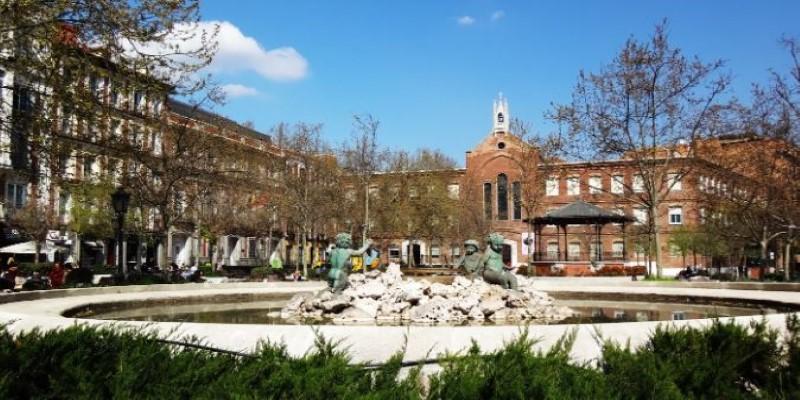
Toledo is a dense, historic tangle that photographs well, but it tires out early. Don’t over-commit to museums here. Focus on the cathedral, the main square, and walking the river perimeter if energy allows.
If staying in Madrid, pick a neighborhood you haven't walked in yet. Malasaña is full of narrow lanes and small shops. Chamberí has fewer tourists and a more everyday city rhythm. Both work well for a day that stays local but doesn’t feel repetitive. Late afternoon is good for a rooftop view—many first-timers aim for Circulo de Bellas Artes, which charges a small fee but avoids the rooftop reservation scramble.
Day 5: Last Look and Open Hours
The final day depends on your departure time, but you can make it count with the right pacing. If the flight is in the evening, leave luggage at your hotel or use the lockers at Atocha or Chamartín.
This is when to catch what you missed. Maybe it’s Thyssen-Bornemisza if the Prado and Reina Sofía left you curious. Maybe it’s a walk along the river park near Madrid Río or a few hours around the Debod Temple and its views over the west side of the city. Keep meals simple. Late travel days don’t pair well with heavy menus or long waits.
Try a café breakfast, then grab something lighter mid-afternoon to carry you through. If you’re headed to the airport around rush hour, add buffer time—Madrid’s metro is reliable, but the trip to Barajas includes transfers and sometimes long platform waits. Use this day to get closure on the trip. It’s often when the feel of the city starts to settle in, just before leaving it.
Final Thoughts
Five days in Madrid go beyond the surface. The city favors timing over speed. Mornings move slowly, lunches run long, evenings start late. Planning around that rhythm keeps the trip calm rather than rushed. This plan allows adjustments while covering key sights on a first visit. Skip chasing top ten lists. The lasting memories often come from quiet plazas, changing light, or a spare bench at the right moment.