A Stockholm and Lapland vacation captures Sweden at its most varied. In just ten days, you can move from island-dotted cityscapes and royal history to Arctic wilderness, Sami traditions, and some of the most dramatic landscapes in northern Europe. This itinerary is designed for travelers who want both culture and nature, with smooth transitions and realistic travel times.
From the cafés and museums of the capital to the vast silence of Swedish Lapland, this route offers a complete view of the country. Whether you travel in summer for endless daylight or winter for snow and auroras, this Arctic Sweden trip delivers contrast, depth, and unforgettable scenery.
Days 1–2: Stockholm, Sweden’s Cultural Heart
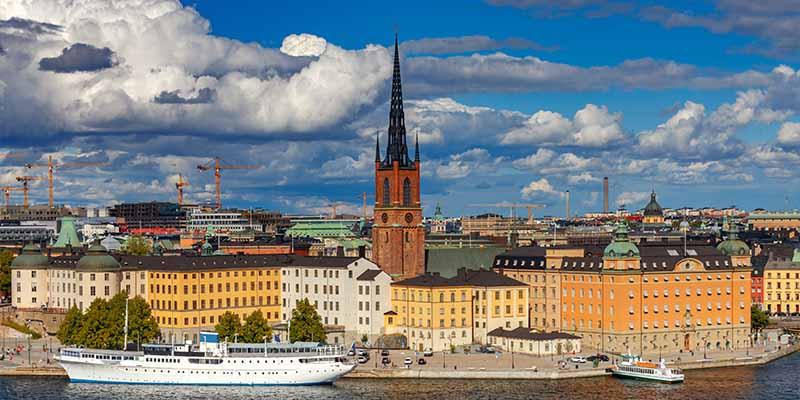
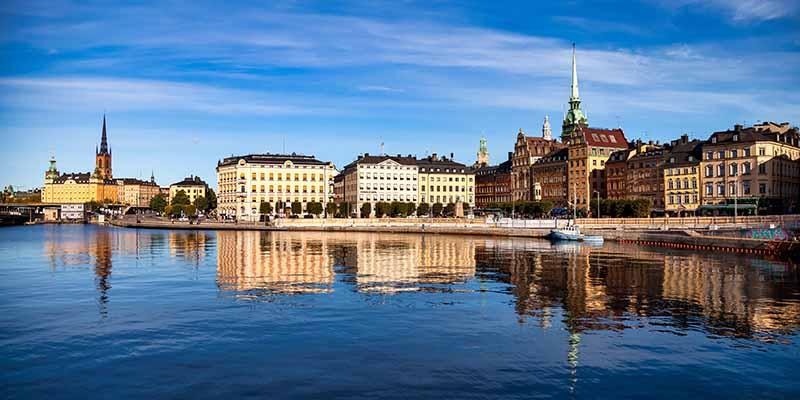
Your journey begins in Stockholm, a city spread across fourteen islands where history and contemporary design coexist comfortably. This Stockholm travel guide portion focuses on walkable neighborhoods, major landmarks, and everyday local experiences.
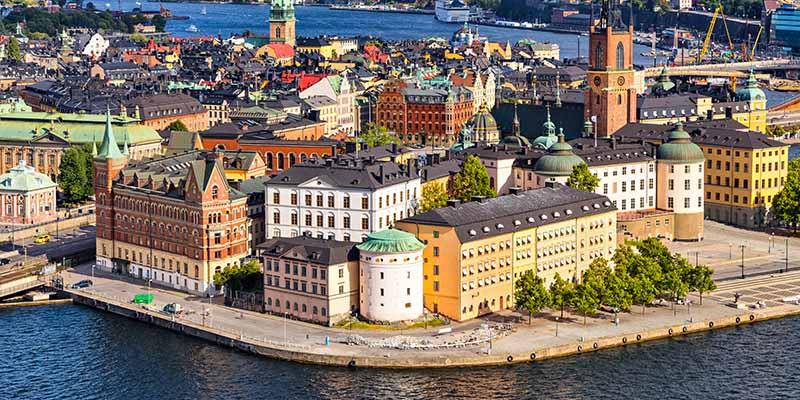
Start in Gamla Stan, the medieval core of the city. Narrow streets, colorful buildings, and small squares lead to the Royal Palace, where daily guard ceremonies and museum rooms provide insight into Sweden’s monarchy. From there, move on to Vasa Museum, home to a 17th-century warship recovered from the harbor and preserved in remarkable condition.
Spend time on Djurgården, an island that blends green space with museums. Highlights include Skansen, an open-air museum showcasing Swedish life through the centuries, and the ABBA Museum for a lighter cultural stop.
Between sights, pause for fika at neighborhood cafés. Stockholm’s public transportation system makes getting around effortless, though many central areas are best explored on foot. Overnight in a centrally located hotel to stay close to major attractions.
Day 3: Uppsala, A Historic University City
A short train ride north brings you to Uppsala, known for its academic legacy and calm atmosphere. The city feels distinctly different from Stockholm while remaining closely connected.
Begin at Uppsala Cathedral, Scandinavia’s largest church. Its towering brick structure and centuries-old tombs reflect the city’s religious and royal importance. Nearby, the Gustavianum Museum provides insight into Viking history and early scientific exploration.
If time allows, walk through the botanical gardens near the university, especially pleasant in warmer months. After exploring, either return to Stockholm for another night or stay locally to enjoy Uppsala’s slower evening pace.
Day 4: Sundsvall, Transition To Northern Sweden
Travel continues north to Sundsvall, often seen as a gateway between southern cities and northern Sweden travel. The journey itself becomes part of the experience as forests thicken and the coastline widens.
Sundsvall’s historic center, known as Stenstan, features stone buildings constructed after a devastating fire in the late 1800s. Walking these streets offers a clear sense of the city’s resilience and architectural character. For broader views, head to Norra Berget, a hilltop area overlooking the bay.
Local restaurants focus on seafood and regional produce, making this a good place to sample coastal flavors before heading inland.
Day 5: Höga Kusten, Sweden’s High Coast
Day five highlights Höga Kusten, a UNESCO World Heritage Site known for its dramatic geology. This stretch of coastline rises sharply from the sea, creating cliffs, forests, and islands shaped by post-glacial uplift.
Explore Skuleskogen National Park, where trails lead through old-growth forest to panoramic viewpoints. Even short hikes reveal how distinct this region feels compared to southern Sweden.
Stop at the Högakustenbron, one of Scandinavia’s longest suspension bridges, to appreciate the scale of the landscape. Overnight accommodations range from small lodges to guesthouses that emphasize closeness to nature.
Day 6: Luleå, On The Edge Of The Arctic
Continue north to Luleå, a coastal city just below the Arctic Circle. Luleå combines modern life with strong historical roots.
Visit Gammelstad Church Town, a UNESCO-listed village of over four hundred wooden cottages surrounding a medieval stone church. The site reflects a tradition where families traveled long distances to attend church and stayed overnight in simple dwellings.
If weather permits, explore the Luleå Archipelago by ferry or kayak. Even brief island visits convey the quiet beauty that defines Sweden’s far north. Local menus often feature Arctic char, reindeer, and cloudberries.
Days 7–8: Kiruna And Swedish Lapland
The journey now enters its most distinctive phase with arrival in Kiruna, the symbolic center of a Swedish Lapland itinerary. This region offers wide landscapes, strong indigenous traditions, and unique natural phenomena.
Kiruna itself is undergoing a remarkable transformation, with parts of the city being relocated due to mining activity. The wooden Kiruna Church remains a focal point, admired for both design and cultural importance.
A short journey leads to Abisko National Park, known worldwide for hiking routes such as the Kungsleden and its reputation as a prime Northern Lights viewing area in winter. The surrounding mountains and lake create striking scenery in every season.
Cultural experiences with Sami guides add depth to this portion of the trip. Learn about reindeer herding, traditional clothing, and daily life in the Arctic. For lodging, options range from rustic wilderness cabins to the renowned Icehotel in nearby Jukkasjärvi, rebuilt each year from ice and snow.
Day 9: Arctic Activities And Seasonal Adventures
Day nine focuses on outdoor exploration. In winter months, activities include dog sledding across frozen plains, snowmobiling through forest trails, and guided aurora tours designed to maximize visibility.
During summer, the same landscapes transform. Visitors can hike under the midnight sun, raft along clear rivers, or cycle quiet gravel roads surrounded by tundra and forest. This flexibility makes the region appealing for travelers planning an Arctic Sweden trip in any season.
Day 10: Return To Stockholm
Complete the journey by flying or taking an overnight train back to Stockholm. Use the final day to revisit favorite neighborhoods, shop for Swedish design, or enjoy a relaxed walk along the waterfront.
This closing day offers a chance to reflect on how dramatically the scenery and culture have changed over the past ten days.
Practical Planning Notes
Travel between cities is best handled by Sweden’s rail network, though flights significantly reduce travel time for long northern stretches. The best season depends on priorities: winter suits aurora seekers and snow lovers, while summer appeals to those drawn to hiking and extended daylight.
Pack layers year-round, as temperatures shift quickly, especially in Lapland. Reserve northern accommodations early, particularly during peak winter months.
Final Thoughts
This itinerary captures the full range of things to do in Stockholm while gradually exploring the vast spaces of the north. By blending urban exploration with nature and cultural encounters, it delivers a complete Stockholm and Lapland vacation without feeling rushed.
From historic streets to Arctic silence, the journey reveals why Sweden remains one of Europe’s most rewarding destinations for travelers seeking contrast, balance, and lasting memories.