You sign the papers. You grab the keys. You take the first proud photo in the doorway.
Then the house starts asking for money.
Not the obvious stuff like the mortgage and property taxes. I mean the “right after closing” charges that show up fast and stack up even faster. A locksmith. A deep clean. A few tools you suddenly don’t own. A trip to replace a missing garage remote. A small repair you cannot ignore because it messes with your sleep.
None of these costs feels huge on its own. Together, they can hit like a second down payment.
Let’s talk about what they are, why they happen, and how to stay ahead of them.
The First Week Is A Shopping Cart You Didn’t Plan
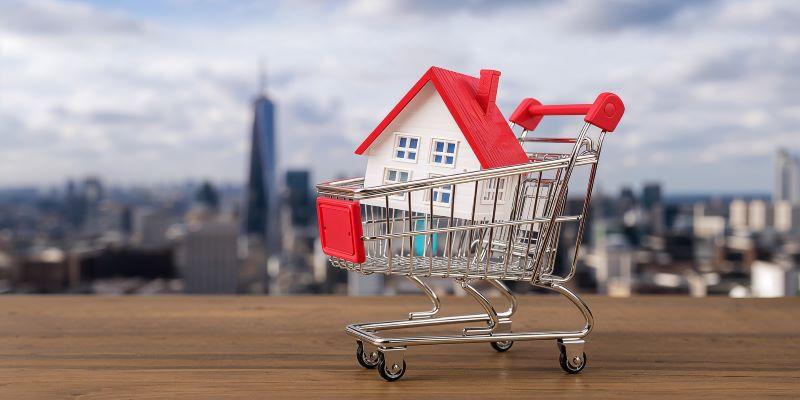
Move-in day feels like a finish line. It is not. It is the start of a new list that lives in your phone, your inbox, and your front seat. You walk through the house and spot ten small gaps that need fixing right now.
The first charges are about control and comfort. You re-key the locks or swap in smart ones. You book a deep clean because dust hides in places you never notice during a tour. You pay for trash haul-away because boxes and packing mess get out of hand fast.
Then comes the gear you never planned to own. A ladder. A drill. A shop vac. A hose. A fire extinguisher. Extra keys. A second garage remote. These are not “nice to have” items anymore. They become the price of feeling settled.
Tiny Issues Turn Into Your First Repair Weekend
The first week also has a way of revealing what the walk-through missed. A drain slows down. A door sticks. An outlet feels loose. A light flickers at the worst time. You notice these things because you live there now.
So you schedule your first round of pros. A plumber visit comes with a service fee before any work starts. An electrician charges for time and parts. An HVAC tune-up adds costs you never saw on the listing page. Filters, vents, and thermostats all demand attention.
You also pay for prevention. Pest control brings peace fast. Gutter cleaning reduces the risk of leaks. A sewer scope matters in older homes because backups cost real money. This is the weekend where you learn a hard truth. Small problems turn into big damage when you ignore them.
Your Monthly Bills Change When The House Gets Bigger
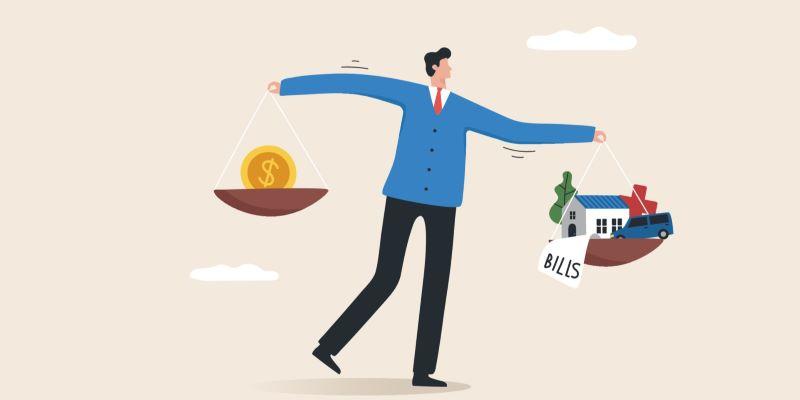
The first full month is when the house sends the real numbers. Your first utility bill lands, and the total feels personal. You did not change your habits. The home changed your baseline.
Water jumps when you add a yard or an older system. A small leak can run all month without warning. Electricity rises with more rooms, more lights, and weak insulation. Trash, recycling, and local fees can also be higher than in your last place.
Then there are the “not a utility” bills that still hit monthly. HOA dues show up if you live in a managed community. Internet costs rise if you need a mesh setup for coverage. Home insurance can increase after updates. Property tax escrow can reset and trigger a shortage bill.
The Empty Rooms Start Asking For Things
The house can look perfect during showings because it is staged for photos, not for living. Clean lines. Bright rooms. Bare windows. Then you move in and realize how much comfort depends on what is missing.
Window coverings hit first. Sunlight is nice until it wakes you up at 6 a.m. or puts your life on display at night. Curtains, blinds, rods, and installation costs add up fast because every window becomes its own small project.
Empty floors also demand attention. Rugs make rooms feel warmer and quieter. Storage matters more than you expected, so you add closet shelves, pantry racks, and garage hooks. These are not upgrades in your mind. They feel like basics once your stuff has no place to go.
Then you notice the little things you assumed were included. A light fixture that feels harsh. A ceiling fan you want in summer. An appliance that is old, missing, or too small. Delivery, installation, and haul-away fees turn one purchase into three charges.
The Outdoors Has Its Own Price Tag
A yard looks like a perk on day one. Then you step outside, and the to-do list starts talking. Weeds do not wait. Branches hang low. Gutters collect leaves. A driveway edge cracks. Outdoor space is great, but it needs steady care.
Even simple upkeep costs money. Lawn trimming, mulch, soil, and fertilizer are small buys that repeat. If you hire help, the monthly bill becomes part of your new normal. If you do it yourself, you still pay for tools, bags, and repairs.
Trees are the big wildcard. Trimming is not cheap, and removal costs even more, especially near roofs or power lines. Add irrigation issues, and it stacks up. Sprinkler heads break. Timers fail. Hoses leak. Water keeps running if you do not notice.
Then there is the gear you only learn about after the first season. A mower. A trimmer. A leaf blower. Snow tools in cold areas. Outdoor lighting and fence fixes follow soon after. The outdoors does not stay “done.” It stays managed.
The Sneaky Costs That Show Up Months Later
After the first rush, the slower surprises arrive. They feel random because they come later, not because they are rare. A condo or HOA can pass a special assessment for roofs, elevators, or exterior repairs. It can land like a bill you never agreed to.
Permits can also catch you off guard. A fence, a bathroom change, new wiring, and even some outdoor work may require approvals and fees. You may also discover that a small project needs a pro because the rules are strict where you live.
Appliances age on their own timeline. A water heater can quit without warning. A dishwasher can die right after you stop paying attention. Many owners add maintenance plans for HVAC, pest control, or chimney cleaning. It buys calm, but it adds a monthly cost.
Subscriptions sneak in, too. Security monitoring. Camera storage. Smart lock features. If your move increases your commute, fuel costs rise as well. The best defense is a home-only cash reserve that you refill like a bill. When the next surprise hits, it feels annoying, not scary.