Cars slow down. Heads turn. People scan your driveway like it is a storefront. In those first ten seconds, they decide if they will stop or keep rolling.
Most garage sales lose money right there. Not because the stuff is bad, but because it looks hard to shop for. Piles on the ground. No clear path. Prices that feel like a mystery.
A good setup fixes all of that. It makes your best items easy to spot, easy to touch, and easy to say yes to. In this post, you will learn six display moves that pull shoppers in, keep them browsing, and help you close more sales without awkward back-and-forth.
Create A Path Shoppers Want To Follow

A buyer steps out of the car and looks for the start. They want an easy first table. They want a clear next step. If they feel stuck or confused, they leave fast. A simple path turns a quick glance into a slow browse.
Start with a clear entrance on the side people walk from. Point your first table toward the street. Leave a wide lane that fits two people. Guide them into a loop that brings them past every table. Put big items along the edges so the middle stays open.
Place one “anchor” table near the front with your cleanest, best-looking stuff. Think lamps, small furniture, and popular home items. This table sets the mood. It also stops the drive-by crowd. Once they pause, the rest of the sale gets a real shot.
Get Everything Off The Ground So People Actually See It
Most shoppers do not want to crouch on concrete. They skip bins on the ground. They step over piles. They miss half of your items because the view is blocked. When things sit low, your sale feels messy, even when the items are good.
Use tables to lift your inventory to waist height. Stack sturdy boxes under tables to raise them. Add crates as mini shelves for shoes, toys, and small tools. Put breakables on the back of tables so elbows do not knock them over.
Hang clothing on a rack so it looks like a real section, not a laundry pile. Use shallow trays for jewelry, cords, and small kitchen items. Spread them out in one layer. Eye-level items sell faster because people can scan them in seconds.
Turn Your Driveway Into Mini Shops With Clear Groups
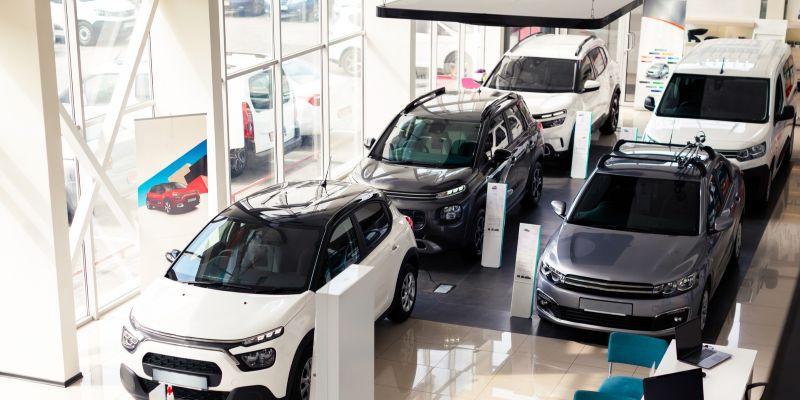
A shopper arrives with one mission. They want kids' clothes. They want tools. They want kitchen basics. If everything is mixed together, they get tired fast. Clear groups make buying feel easy. Easy shoppers spend more.
Create simple zones with space between them. Keep “Kitchen” near glassware and small appliances. Keep “Kids” near toys and clothes. Keep “Tools” near hardware and outdoor items. Use large signs on cardboard so people can spot the zone from the curb.
Group items so buyers can compare without hunting. Put all the mugs in one area. Put all the books on one table. Put all phone chargers together. This triggers add-ons. It also leads to bundles, since shoppers see more of what they already came to buy.
Make Prices Obvious So Buyers Don’t Walk Away
A buyer picks up a bowl. They flip it over. No price. They look around for you. You are helping someone else. That buyer sets the bowl down and moves on. Hidden pricing kills momentum, even when the price is fair.
Put price stickers where the eye lands first. Top right on books. Front edge on small decor. Handle the tag on mugs. Use bright tape for dark items. Avoid writing prices on the bottom unless the item is huge and easy to lift.
Keep pricing clean with simple tiers. A “$1 table” and a “$5 shelf” reduce stickers and questions. Add bundle signs where they fit, like “3 paperbacks for $5” or “All baby clothes $2 each.” Bundles raise total sales fast.
Keep a marker, tape, and extra stickers at checkout. Prices fall off. Buyers move things. Fixing missing prices in seconds prevents awkward pauses and keeps the line moving. Every smooth moment protects the sale you already earned.
Remove Doubt With Quick Tests And Trust Signals
Someone picks up a blender and asks the silent question. Does it work? If they feel unsure, they offer less, or they walk. Doubt is the quiet killer at garage sales. Your job is to make a "yes" feel safe.
Create a small test spot for electronics with an extension cord. Keep fresh batteries on hand. If an item powers on, show it fast. For bigger items, use a quick note like “Works, tested today” right on the tag.
Keep all parts together so nothing feels incomplete. Tape remotes to TVs. Tie cords to lamps. Put manuals in a zip bag next to the item. This tells buyers you cared. It also saves you from digging through a box mid-sale.
Add one or two small trust helpers. A mirror near accessories helps people decide quickly. Good light helps everything look cleaner. Wipe dusty items before they hit the table. When things look cared for, shoppers pay more without arguing.
Set Up Checkout So “I’ll Take It” Turns Into Cash
A shopper is ready to buy. Then they cannot find you. They wait, glance around, and drift to the next sale. Checkout should be obvious and fast. When payment feels easy, buyers add more items.
Pick one checkout spot near the exit path. Use a small table and a chair. Keep it visible from most tables. Stand up often so people can spot you. This also helps you answer quick questions without leaving your money unattended.
Organize your change so you do not fumble. Use a cash box or wear a cash apron. Keep bills and coins separated. Start with enough small bills to break a twenty. Fast change keeps the line short and the mood friendly.
Make it easy for buyers to carry more. Offer bags, boxes, or newspaper for wrapping. Keep a roll of tape handy for fragile items. When people can carry a bigger pile, they buy a bigger pile. That is the whole game.