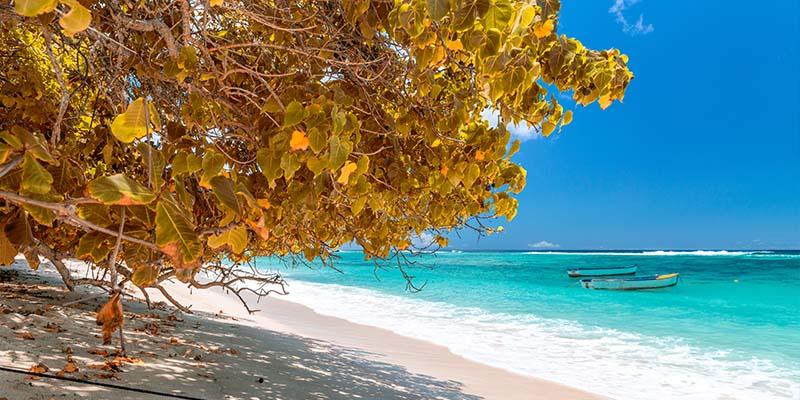
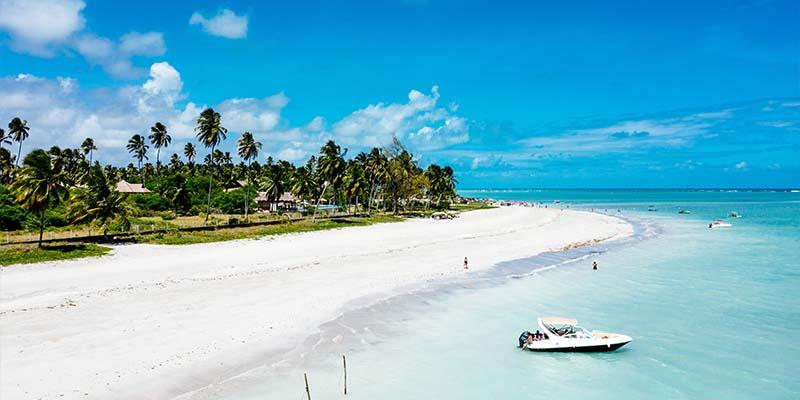
The Maldives often appears almost unreal in photographs. Water shifts between turquoise and deep blue, sand looks powdery white, and villas stretch out over the lagoon on wooden stilts. Despite the postcard image, planning a trip here is far more straightforward than many travelers expect. With clear decisions around timing, island type, and budget, a stay can feel relaxed from the start rather than complicated.
This guide explains why the Maldives draws so many visitors, when conditions tend to be best, and how to choose an island that matches your style of travel.
Quick Planning Essentials
Before diving into details, a few practical choices make the biggest difference:
- Book transfers in advance, since many resorts require boat or seaplane connections
- Pack light clothing, swimwear, sandals, and strong sun protection
- Bring reef-safe sunscreen to protect coral ecosystems
- Budget for meals and activities because most islands operate independently
- Schedule excursions early during busy seasons to secure spots
Taking care of these basics first helps everything else fall into place.
Why the Maldives Stands Out
Few places offer such direct access to the ocean. In the Maldives, the sea surrounds every island, so you rarely feel separated from the water. Many accommodations sit right on the beach, and overwater villas allow you to step straight from your deck into the lagoon. Snorkeling often begins only a few meters from your room.
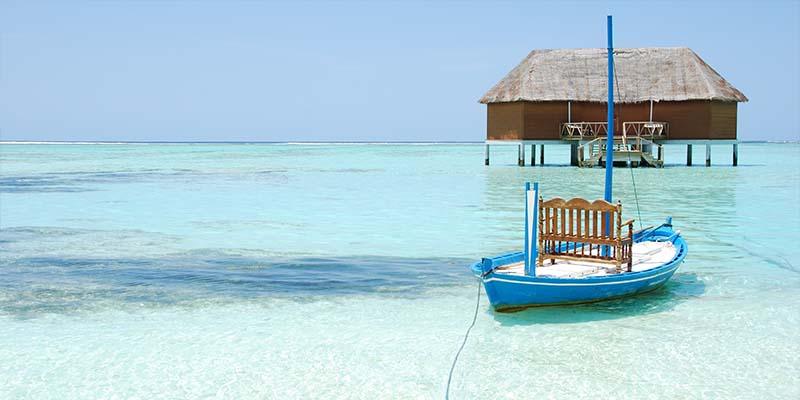
Privacy plays a major part in the appeal. Each resort typically occupies its own island, which naturally limits crowds. Even during peak season, spaces feel open and uncrowded because guests spread across beaches, gardens, and separate villas rather than gathering in one central area.
The marine life adds another layer to the experience. Coral reefs support colorful fish, rays, reef sharks, and sea turtles. For many visitors, the underwater world becomes the highlight of the trip, especially during snorkeling or diving sessions where visibility remains excellent.
The result feels calm and immersive. Instead of sightseeing schedules or busy streets, days revolve around water, weather, and rest.
Best Time to Visit the Maldives
Weather shapes the overall experience, so choosing the right season matters.
The dry season runs roughly from December through April. During these months, skies stay clear, humidity drops slightly, and the sea tends to be calmer. This period works well for first-time visitors or anyone prioritizing perfect beach days and reliable sunshine. Because conditions remain favorable, prices also reach their highest point, and popular resorts fill quickly.
From May through November, the islands experience the wetter monsoon season. Short tropical showers occur more often, yet they rarely last all day. Sunny stretches still dominate much of the week. Resorts usually lower rates during this time, which makes it appealing for travelers seeking better value or fewer crowds. Surfers often prefer this season thanks to stronger swells.
Choosing between seasons depends on priorities. Guaranteed sunshine suits some travelers, while others value quieter islands and reduced costs.
Where to Stay Across the Islands
Every resort in the Maldives operates differently because each occupies a separate island. That means atmosphere, size, and experience vary more than many people realize.
Resorts near Malé International Airport in the North and South Malé Atolls remain convenient for shorter trips. Speedboat transfers take less time and simplify arrival. These islands work well for long weekends or tight schedules.
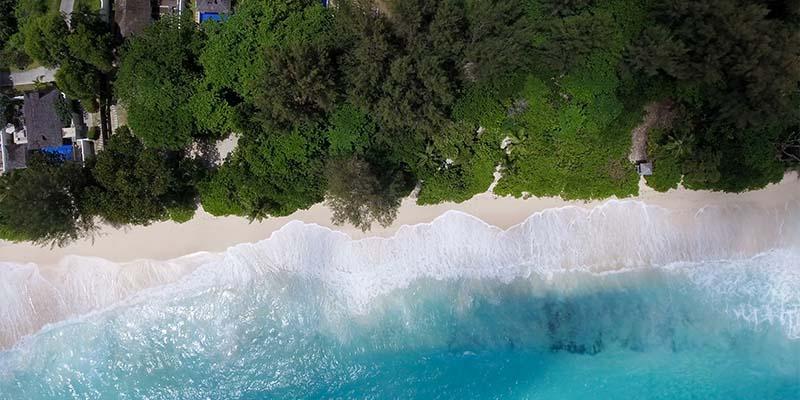
Farther atolls require seaplane or domestic flight transfers. While the journey takes longer, the aerial views of scattered islands and shallow reefs often become a memorable part of the trip. Remote resorts also tend to feel quieter and more secluded.
Island size affects the overall mood. Smaller islands create an intimate feel where everything sits within a few minutes’ walk. Larger islands offer more restaurants, longer beaches, and additional activities. Families often prefer bigger resorts with kids’ programs and varied dining, while couples may prefer adults-focused or boutique properties that emphasize privacy.
Comparing room types also matters. Beach villas provide direct sand access, while overwater villas offer uninterrupted lagoon views and easy swimming. Both styles deliver different experiences, so the choice often comes down to preference rather than quality.
Daily Life on a Resort Island
Life on a Maldivian island follows a slower rhythm. Mornings often begin with breakfast overlooking the water, followed by swimming or snorkeling while the sea stays calm. Afternoons invite naps, spa treatments, paddleboarding, or simply reading in the shade.
Because each island functions independently, everything remains within walking distance. Restaurants, dive centers, and activity desks sit close together, which removes the need for taxis or constant planning. That convenience helps you settle into the environment quickly.
For those who enjoy structure, many resorts schedule guided experiences:
- Snorkeling or diving trips to nearby reefs
- Sunset cruises with dolphin sightings
- Kayaking and paddleboarding in shallow lagoons
- Fishing excursions with local crews
- Yoga classes or beachfront spa treatments
Some travelers fill each day with activities, while others prefer doing very little. The setting supports both approaches equally well.
Food and Dining Experiences
Dining often surprises first-time visitors. Resorts typically offer several restaurants with rotating menus that include local seafood, Asian dishes, and international cuisine. Fresh fish, grilled vegetables, and tropical fruit appear regularly.
Many stays include half-board or full-board packages, which can simplify budgeting. Without these plans, individual meals and drinks may add up quickly since outside dining options are limited on private islands. Checking meal plans during booking helps avoid surprises later.
Eating outdoors becomes part of the experience itself. Tables sit near the beach or along the lagoon, and evening meals often coincide with soft light reflecting off the water.
Final Thoughts
The Maldives delivers a rare combination of natural beauty and easy comfort. Once on your island, daily decisions feel simple and time seems to slow naturally. Choosing the right season and selecting a resort that matches your travel style makes all the difference, turning a beautiful location into a truly relaxing escape.
Clear water, soft sand, and wide horizons create space to disconnect from routine and reconnect with rest. For anyone seeking a coastal retreat that feels peaceful without sacrificing comfort, the Maldives offers a setting that remains memorable long after the trip ends.