Copenhagen wins people over quickly. The streets feel manageable on foot, water frames nearly every neighborhood, and you can move from centuries-old architecture to sharp contemporary design within minutes. For a short Denmark city break, three full days gives you enough time to see the classic sights, try memorable meals, and still keep a relaxed pace.
This Copenhagen travel guide keeps each day grouped by area so you avoid zigzagging across the city. You walk more, ride transit less, and spend your time exploring instead of commuting. The result feels natural rather than rushed.
Before You Land: Simple Planning That Saves Time
A little preparation before arrival makes a noticeable difference in how smoothly the trip unfolds. Knowing where to stay, how to move around, and how long to plan for helps you settle in quickly.
Getting from the airport into the city is straightforward. The metro runs directly from the terminal and reaches central stations in about fifteen minutes. Trains are another easy option, and taxis take roughly twenty to thirty minutes depending on traffic.
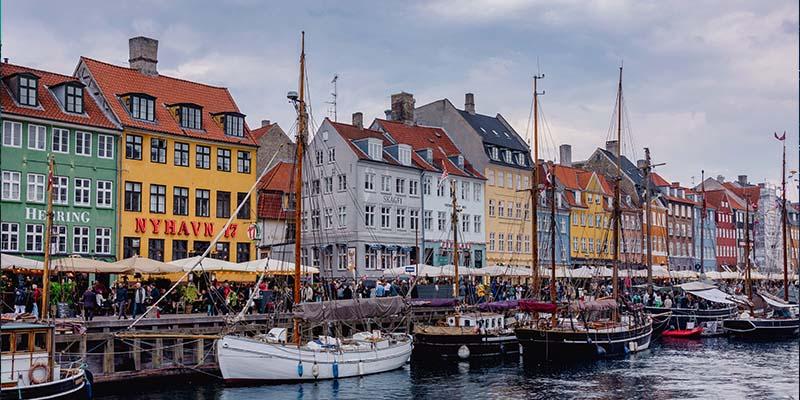
Where you stay matters more than you think. Base yourself in the city center or near Nyhavn Copenhagen. Both areas keep you close to major sights, restaurants, and public transport, which means you can return to your hotel easily between activities.
Three nights is the sweet spot for a first visit. Less feels rushed, while more allows space for day trips.
Day 1: Harbor Views, Design, And Royal Copenhagen
Your first day focuses on Copenhagen’s most recognizable visuals and its design identity. Everything stays within easy walking distance, making it an ideal introduction.
Morning: Nyhavn Copenhagen Early, Then Design Highlights
Start the trip at Nyhavn before the crowds build. The colorful houses, wooden boats, and quiet water create that classic Copenhagen scene. Early light reflects beautifully on the canal, and the area feels calm compared to later hours.
From there, walk into the museum district and visit Designmuseum Danmark. Danish furniture, lighting, and product design tell the story of how the country became known for clean lines and functional living. It is a strong introduction to the city’s creative identity and easy to cover in ninety minutes to two hours.
Afternoon: King’s Garden And Rosenborg Castle
Head toward Kongens Have, the King’s Garden, for a relaxed stroll. Locals picnic here, students read on the grass, and the pace feels gentle. Continue to Rosenborg Castle, one of the most compact and interesting royal sites in the city. Inside, you see decorated rooms, royal portraits, and the Danish crown jewels.
After touring, linger outside for a bit. The gardens make a good pause before dinner.
Evening: Canal Views And Waterfront Dinner
The evening is best spent near the water, where Copenhagen feels most atmospheric. This is also a good night to keep plans simple.
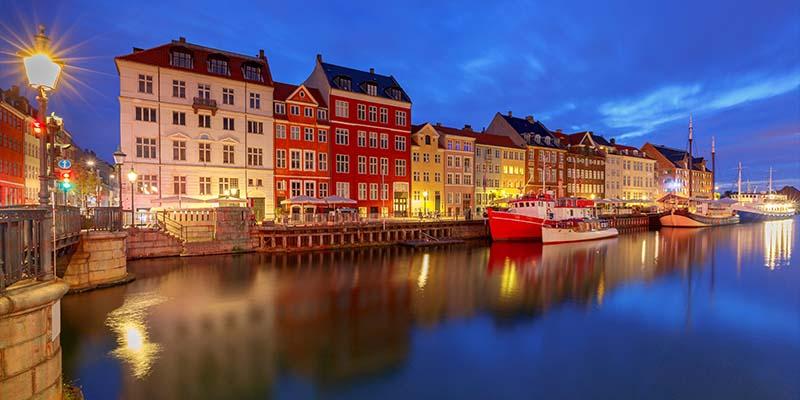
A canal boat ride works well on your first night because it introduces the layout of Copenhagen from the water. You glide past government buildings, historic houses, and newer neighborhoods while learning the city’s geography.
For dinner, stay near the harbor and choose something simple and cozy. Fish dishes, open-faced sandwiches, or seasonal plates all fit the mood.
Copenhagen food spots for Day 1: bakery breakfast, café lunch near the museum district, then a harbor-side dinner.
Day 2: Gardens, Food Halls, And The City From Above
Day two balances greenery, local food culture, and panoramic views. It is slightly busier than day one, but still relaxed.
Morning: Botanisk Have
The morning starts with a quieter pace before moving into the city center. This helps keep energy levels steady for the afternoon.
Start with coffee near Nørreport, then walk into the Botanical Garden. Even during cooler months, the greenhouses feel lush and warm. The Palm House is especially nice for a slow wander. This morning sets a relaxed tone before the busier city center later.
Afternoon: Torvehallerne And City Views
Lunch and sightseeing naturally pair well in central Copenhagen. This block keeps everything close together.
Head to Torvehallerne for lunch. This food hall brings together dozens of small vendors, so you can sample several dishes rather than commit to one large meal. It is one of the easiest places to experience local flavors without planning ahead.
After lunch, walk to the Round Tower. The spiral ramp takes you to the top without stairs, and the view reveals just how compact Copenhagen really is. Continue toward Christiansborg Palace and climb the tower there for another skyline perspective, especially nice near sunset.
Evening: Tivoli Or Vesterbro
Evenings in Copenhagen offer very different moods depending on where you go. Both options work well after a full day of walking.
Tivoli Gardens comes alive at night with lights and music. You can ride attractions, wander through gardens, or simply enjoy the atmosphere. If theme parks are not your style, spend the evening in Vesterbro instead, where restaurants, wine bars, and music spots stay lively late.
Things to do in Copenhagen on Day 2: Botanical Garden, Torvehallerne lunch, Round Tower views, then Tivoli.
Day 3: Christianshavn Character, Spa Time, And A Final Meal
The final day shifts into a slower rhythm. It focuses on neighborhoods, views, and comfort rather than packed sightseeing.
Morning: Canals And Towers
Christianshavn shows a more residential side of the city and rewards wandering without a strict plan.
Christianshavn offers a different side of the city. Narrow canals, houseboats, and small cafés create a more residential feel. Climb the Church of Our Saviour tower for wide views back toward the center. The spiral staircase outside the tower is memorable and worth the effort.
Walk around without a fixed plan. This neighborhood rewards wandering.
Afternoon: A Slower Block
After two active days, the afternoon is deliberately open. This is where Copenhagen’s lifestyle really shines.
Dedicate the afternoon to rest. Copenhagen culture places value on comfort and wellness, so this is the moment for a spa visit, a harbor sauna, or simply a long café stop. After two active days, slowing down feels refreshing.
You could also browse design shops for ceramics, textiles, or home goods that reflect Danish style.
Evening: Final Drinks And Dinner
Your last evening is best saved for something you have been anticipating all trip.
Choose a wine bar or book a table at a restaurant you have been eyeing. Copenhagen’s dining scene ranges from casual Nordic cooking to high-end tasting menus. Ending the trip with one thoughtful meal feels satisfying and celebratory.
Copenhagen food spots for Day 3: relaxed breakfast in Christianshavn, light afternoon snack, then one special dinner.
What Does Copenhagen Actually Cost?
Copenhagen prices feel high at first glance, though clear priorities keep spending manageable. This quick guide outlines realistic daily costs so you can plan comfortably.
- Hotels: mid-range €180–€300 nightly; design or luxury stays €400+
- Coffee and pastries: €4–€5 each at most cafés
- Casual lunches or food halls: €12–€18 per person
- Sit-down dinners: €25–€40; tasting menus often €120+
- Public transport: a few euros per ride; walking covers most areas
- Bike rentals: affordable and practical for full days
- Attractions: €10–€20 each; passes help with multiple entries
Expect roughly €120–€160 daily per person for a comfortable mid-range trip.
Closing Thoughts
This Copenhagen itinerary 3 days keeps everything compact and intentional. You get the harbor postcard views, thoughtful design stops, relaxed neighborhood wandering, and memorable meals without rushing across town. It works well for first visits and still leaves room for personal discoveries.
If you want, share your travel dates or interests, and I can refine this Copenhagen travel guide further with seasonal tweaks or dining-focused variations.